It’s the return of series 23 of Dragons' Den and tonight's episode served up plenty of food for thought, with confectionery creativity and spice-inspired stories firmly on the menu.

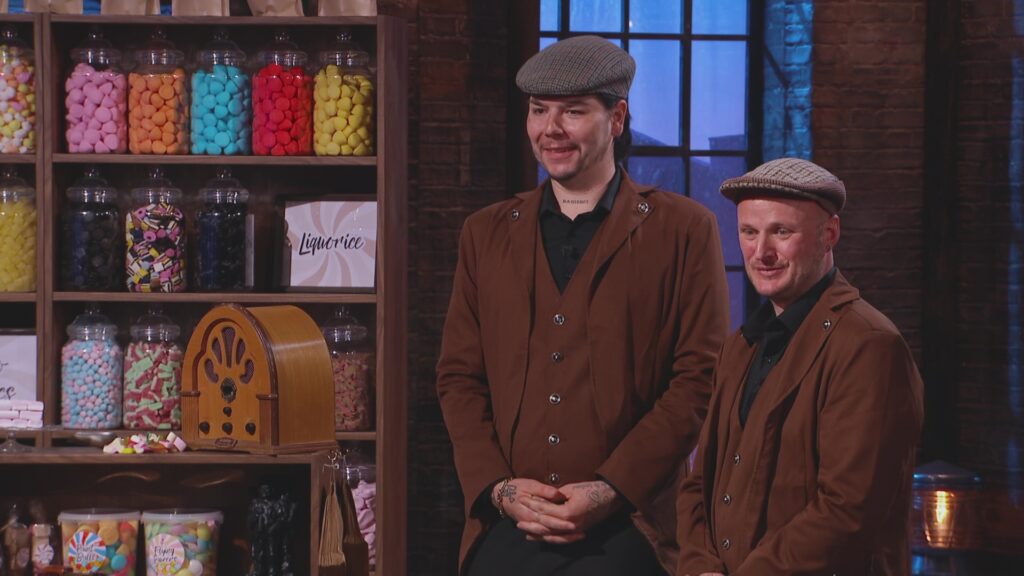
Hitting the sweet spot were John and Sean, founders of Mr Swainston's Traditional Sweet Emporium. Inspired by Beamish Museum's authentic old-fashioned sweet shop, the self-proclaimed 'Ant & Dec of the sweet shop world' turned nostalgia into a thriving business. After building a loyal TikTok following and opening their first shop in South Shields, they entered the Den hoping to take their sweet empire beyond the North East.
Looking every part the wartime sweet shop owners, right up to their flat caps, the pair brought their ‘travelling sweet shop’ into the Den in search of a £50,000 investment for 10% of the business.
While impressed by the pair's passion and growing following, the Dragons questioned what would set the business apart in a crowded confectionery market, with Susie Ma suggesting that John and Sean could find their flavour by developing their own range of sweets.
Secrets of the trade
If John and Sean create a sweet that's good enough to rival Willy Wonka's Everlasting Gobstopper, keeping the recipe under wraps could be just as important as creating it. Wonka's battles with confectionery copycats weren't entirely make-believe, drawing inspiration from real-life confectionery espionage, where rivals sought to uncover closely guarded creations and manufacturing methods.
These days, trade secrets can help businesses protect the recipes, processes and special ingredients that make their products unique. Rather than being registered, they rely on businesses keeping valuable information under wraps through measures such as restricted access and non-disclosure agreements (NDAs).
You can find several example NDAs on our website, though it's always wise to have a legal professional draw up an NDA that meets your specific needs.
The famously secret Irn-Bru formula is a perfect example of commercial secrecy preserving a product's distinctive appeal. Read our Irn Bru case study to find out more.
Jenna Meek was the only Dragon to bite, drawing on her own experience of building a global brand from small beginnings. She offered £50,000 and her branding expertise for 20% of the business, reducing to 12% once she'd recouped her investment. It was a sweet deal for both sides, with John and Sean accepting the offer and leaving the Den with an investment.
A family affair
No sooner had the sugar rush settled, Spice Kitchen arrived to spice things up. Mother-and-son duo Shashi and Sanjay, founders of Spice Kitchen, entered the Den seeking £75,000 for 5% of their business.
Inspired by Shashi's deep-rooted expertise, family recipes and culinary influences gathered through years of travel, Spice Kitchen creates high-quality spice blends and beautifully crafted spice tins wrapped in hand-stitched upcycled sari fabric.
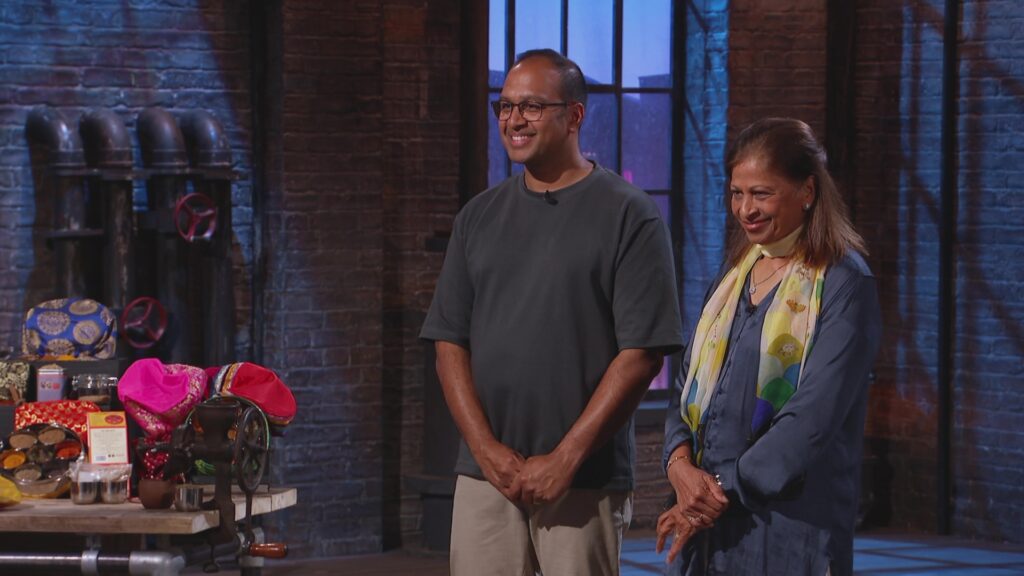
Their products are already stocked by hundreds of high-end retailers across the UK, and the pair have also taken steps to protect the brand they've carefully cultivated, securing a registered trade mark for Spice Kitchen.
Building a successful business is one thing, building a recognisable brand is another. A registered trade mark helps protect brand identity, giving the owner exclusive rights to use them for the goods and services covered by the registration and helping distinguish them from competitors.
The Dragons were treated to a flavour-packed sample of their homemade samosas and signature spice blends, hoping the flavours would prove as irresistible as the business itself.
While the Dragons were impressed by the business, they questioned how Spice Kitchen could continue to differentiate itself.
As the conversation continued, it became clear that Spice Kitchen was about far more than sales figures. When Susie asked Shashi what the business meant to her, Shashi explained that she wanted to pass on her knowledge and share it with others rather than take it with her.
It was a sentiment that resonated around the Den. One by one, the Dragons decided not to invest - not because they doubted the business, but because they admired it.
In a rare show of agreement, the Dragons encouraged Shashi and Sanjay to take pride in what they had already created. As Peter Jones put it, bringing in outside investment at this stage could do more harm than good.
Sometimes the best recipe doesn't need any extra ingredients.
If you have a business idea and would like to find out more about how IP can protect it, visit our free online step by step IP guidance, that can help.
Disclaimer:
The purpose of the IPO's Dragons' Den IP blog is to help identify the IP in entrepreneurs’ pitches and highlight how IP works, or could work, in the real-life examples featured. IPO’s authorship of this blog does not constitute its endorsement or sponsorship of any products, individuals or businesses referenced within it.
Leave a comment