Another nail-biting episode of Dragons' Den tonight, featuring pawfect personalised pet paraphernalia and queue-busting entrepreneurs, hoping to win over the Dragons.
A dog-gone success
First through the doors of either doom or delight was Lucy Bowes and her pretty pooch, Lola.
Lola's adorable little growl at something off-stage briefly distracted me, but I was back in the room as Lucy introduced Lucy & Lola, a business creating hand-drawn pet portraits embroidered onto clothing and accessories.
As a pet owner myself, I found it hard not to imagine my three cats stitched onto a cosy sweatshirt in time for winter. The Dragons didn't have to imagine though - Lucy arrived bearing gifts, presenting them each with a sweatshirt featuring their own beloved pet, leaving Jenna Meek a little misty eyed (and me a little jealous).
A quick peak at the IPO trade mark register shows Lucy has taken steps to protect the Lucy & Lola brand, securing a registered UK trade mark for her brand name.
Seeking £100k for 10% of the business, Lucy explained how the idea came shortly after adopting Lola in 2021. What started as a way to show off one very cute dog grew into a thriving business, attracting more than 45,000 customers and generating more than £3 million in revenue since its launch.
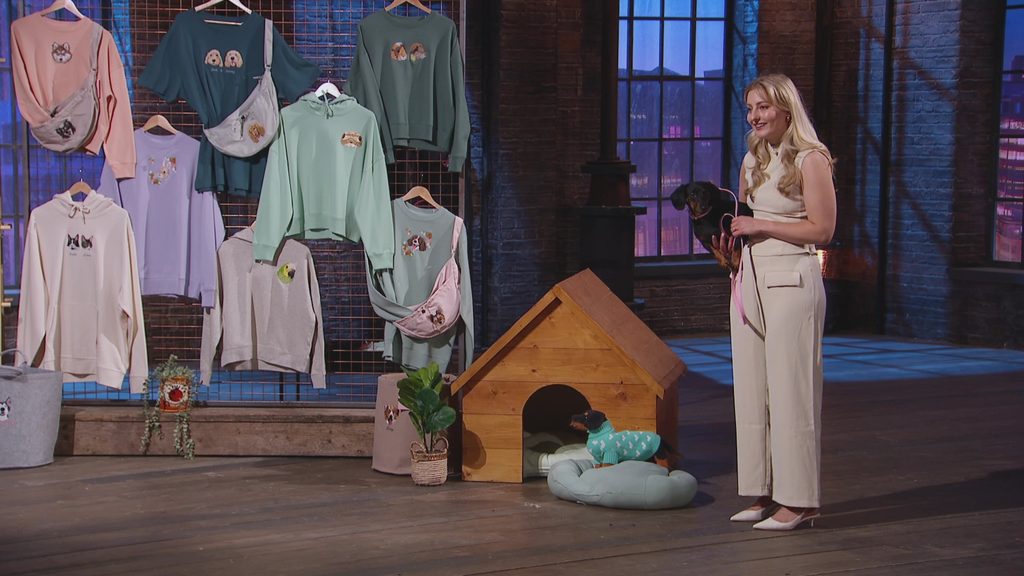
After hearing the numbers, the Dragons seemed keen to get their claws into the company. Peter Jones was first to bite, offering the full £100,000 for 20%. Deborah Meaden and Touker Suleyman followed with matching offers. Steven Bartlett and Jenna initially suggested mentorship might be more valuable than investment, but after Lucy explained she wanted both, Jenna joined the growing list of interested Dragons, prompting a U-turn from Steven.
Jenna agreed to his suggestion of a joint offer and Lucy, after some negotiating, got them to agree to reduce their combined stake to 15% once they had recouped their investment.
Pretty impressive for a business born from a pencil and a pooch.
Flushed with success
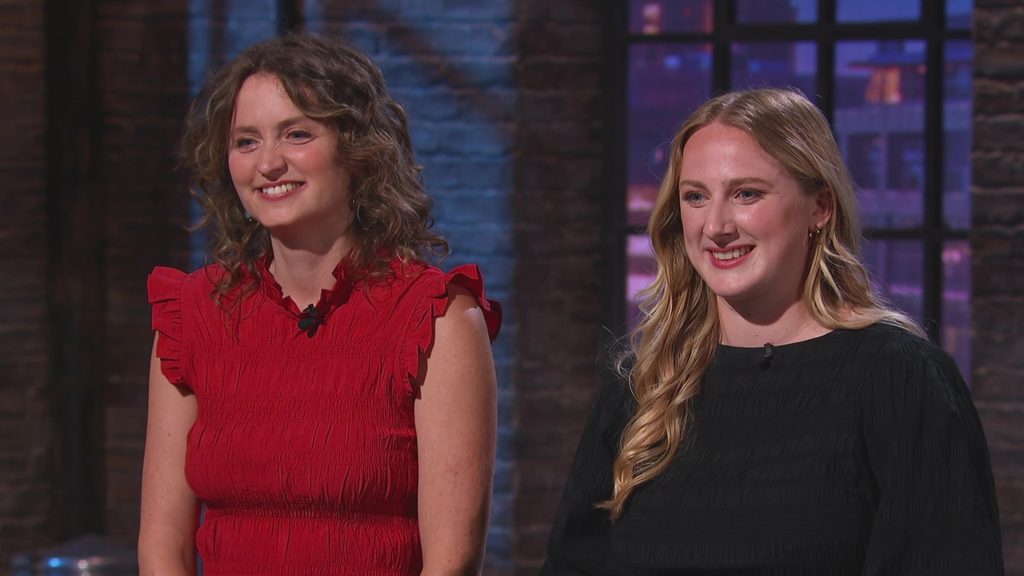
Next through the doors were Amber Probyn and Hazel McShane, co-founders of Peequal and creators of a product that immediately had me thinking, “where was this in my festival-going heyday?!”
Designed with festivals in mind, Peequal is a flat-pack, squat-and-go women's urinal, intended to tackle one of festival life's longest-standing frustrations - lengthy toilet queues. I still have flashbacks of being stuck in the world’s worst toilet queue at Glastonbury as my favourite band belted out my favourite song, gutted I was where I was and not two feet deep in the crowd.
According to their research, Peequal is significantly quicker to use than a traditional temporary toilet and its portable, waterless design reduces transport and environmental impacts.
Seeking £100k for 2% of the company, Amber and Hazel brought a working demonstration into the Den. Jenna was more game for a mock test of the product than Deborah, although eventually even Touker gave it a try.
Questions quickly turned to how the business was protected, and my ears pricked up as quickly as Lola's earlier in the episode.
Amber and Hazel showed the Dragons they were IP savvy, explaining that Peequal is protected by a registered design (GB6189902) as well as a granted patent (GB2606016) in the UK. The business also has patent applications pending overseas.
In fact, a quick bit of detective work revealed a hat trick of intellectual property (IP) rights. Alongside designs and patents, Amber and Hazel have protected the Peequal brand and logo with trade marks.
Designs versus patents – which is best for you?
The Peequal is a great example of how different IP rights can work to protect a growing business. Registered designs are one of the quickest and cheapest ways to protect a product's appearance, while patents are more complex, cost more and take longer to secure. We would always recommend seeking advice from an IP attorney before deciding which route is right for you.
Careful planning matters too. If a design is published before a patent application is filed, that disclosure may become 'prior art'. As a result, features of the invention may no longer be considered new, potentially affecting the validity of a later patent application.
You may also have noticed that overseas protection was mentioned in the episode. IP rights are territorial, meaning protection only applies in the countries where it has been granted or registered. Fortunately, international agreements exist to make it easier for businesses to extend their protection beyond the UK. Find out more about protecting your IP abroad on our website.
Disclaimer:
The purpose of the IPO's Dragons' Den IP blog is to help identify the IP in entrepreneurs’ pitches and highlight how IP works, or could work, in the real-life examples featured. IPO’s authorship of this blog does not constitute its endorsement or sponsorship of any products, individuals or businesses referenced within it.
Leave a comment